AISEE - 2027 Online Scholarship Application Available

Top Mass Communication Colleges in India 2026: Fees & Admission
A 2026 guide to India's top mass communication and journalism colleges, from IIMC and Jamia MCRC to Symbiosis, XIC, ACJ and MICA, with entrances, courses, fees and careers.
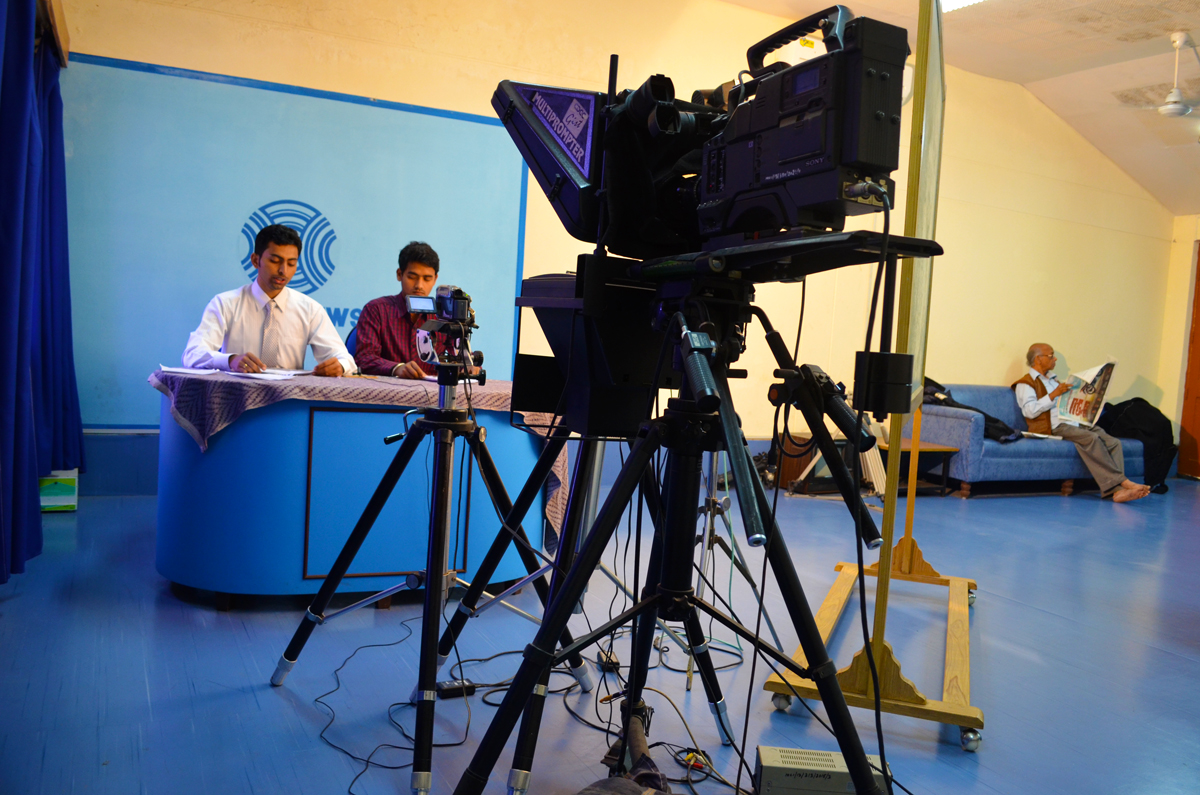
Searching for the top mass communication colleges in India for 2026? The strongest names are the government-run Indian Institute of Mass Communication (IIMC) in New Delhi and the AJK Mass Communication Research Centre (MCRC) at Jamia Millia Islamia, followed by well-known private schools such as Symbiosis in Pune, XIC in Mumbai, the Asian College of Journalism in Chennai and MICA in Ahmedabad.
This guide covers 15 respected media schools, the main courses, entrance exams such as CUET, SET and MICAT, approximate fees and careers.
Quick answer: IIMC New Delhi is widely seen as India's leading journalism school, with AJK MCRC (Jamia Millia Islamia), Symbiosis (Pune), XIC (Mumbai) and ACJ (Chennai) close behind. Since 2026-27, IIMC fills its MA and main PG Diploma seats through CUET PG. Delhi University colleges such as LSR and Kamala Nehru College admit to BA (Hons) Journalism through CUET UG. Fees range from under ₹1 lakh at public institutes to ₹10–28 lakh at top private schools (approx.).
Is there an NIRF ranking for mass communication?
No. The Ministry of Education's National Institutional Ranking Framework (NIRF) ranks universities, colleges and subjects such as engineering, management, law and medicine. It has no journalism or mass communication category. The latest edition we could confirm is NIRF 2025, released on 4 September 2025; the 2026 results had not been officially confirmed when this guide was written.
So this list is built on other credible signals:
- Government status: central institutes and central universities (IIMC, Jamia, University of Hyderabad, BHU) with long track records and low fees.
- NIRF rank of the parent body: where a media department sits inside a ranked university or college, we quote that rank (for example "NIRF 2025 – University category rank 4"). This rates the whole university, not the media department.
- Published surveys: India Today's Best Colleges survey has placed IIMC first in journalism and mass communication in recent editions, and the Outlook-ICARE Rankings 2025 ranked XIC Mumbai first and Symbiosis (SIMC) second among private mass communication institutes.
- Reputation and alumni: newsroom, advertising and PR placements over many years.
Note: The order below is our editorial view of these signals, not an official rank. Use it to shortlist, then compare colleges yourself.
Top 15 mass communication and journalism colleges at a glance
| # | Institute | City | Type | NIRF 2025 (parent body) | Known for |
|---|---|---|---|---|---|
| 1 | Indian Institute of Mass Communication (IIMC) | New Delhi + 5 regional campuses | Deemed university (Govt.) | Not ranked (no media category) | PG Diplomas in Journalism, RTV, Advertising & PR; new MA programmes |
| 2 | AJK Mass Communication Research Centre, Jamia Millia Islamia | New Delhi | Central university | University rank 4 | MA Mass Communication, film and TV production |
| 3 | Symbiosis (SIMC for PG, SCMC for UG) | Pune | Deemed university (private) | University rank 24 | MBA (Communication Management), MA, BA Mass Comm |
| 4 | Xavier Institute of Communications (XIC) | Mumbai | Private (St. Xavier's College) | Not ranked | One-year PG diplomas in journalism, PR, film |
| 5 | Asian College of Journalism (ACJ) | Chennai | Private, independent | Not ranked | PG Diploma in Journalism (print, TV, digital, business) |
| 6 | MICA | Ahmedabad | Private, autonomous | Not ranked | PGDM-C in communications, advertising and brand management |
| 7 | Manipal Institute of Communication (MAHE) | Manipal | Deemed university (private) | University rank 3 | BA and MA Media & Communication |
| 8 | Lady Shri Ram College for Women (DU) | New Delhi | DU college (women) | College rank 17 | BA (Hons) Journalism |
| 9 | Department of Communication, University of Hyderabad | Hyderabad | Central university | University rank 18 | MA Communication |
| 10 | Department of Journalism & Mass Communication, BHU | Varanasi | Central university | University rank 6 | MA Mass Communication |
| 11 | Kamala Nehru College (DU) | New Delhi | DU college (women) | College rank 58 | BA (Hons) Journalism |
| 12 | Christ University | Bengaluru | Deemed university (private) | University rank 63 | BA Journalism, MA Media & Communication |
| 13 | Amity School of Communication, Amity University | Noida | Private university | University rank 22 | BA JMC, MA JMC |
| 14 | GGSIPU (USMC and affiliated BJMC colleges) | New Delhi | State university | University rank 93 | BJMC, MA Mass Communication |
| 15 | Makhanlal Chaturvedi National University of Journalism and Communication | Bhopal | State university | Not in NIRF list | Dedicated journalism university, Hindi and English media |
Government and public institutes
Indian Institute of Mass Communication (IIMC), New Delhi
IIMC is the country's best-known journalism school and the usual first choice for graduates who want to enter a newsroom quickly. On 31 January 2024 the Ministry of Education declared IIMC and its regional campuses a deemed-to-be university, so it can now award degrees, including MA and PhD, alongside its famous one-year diplomas. Details are on the official IIMC website.
- Established: 1965; deemed university since 2024
- Campuses: New Delhi, Jammu, Amravati, Aizawl, Kottayam and Dhenkanal
- Popular courses: PG Diplomas in Journalism (English and Hindi), Radio & TV Journalism, Advertising & PR; MA programmes in New Media Communications, Strategic Communication, Media Business Studies and Health Communication
- Admission via: CUET PG (Mass Communication and Journalism paper; some MAs also accept other subject papers), then online e-counselling. Regional language diplomas (Odia, Urdu, Marathi, Malayalam) use IIMC's own test.
- Age limit: 25 years for general-category PG Diploma applicants (as on 1 August 2026), with relaxation for reserved categories; no age limit for MA
- Approx. fees: about ₹1 lakh for the English or Hindi Journalism diploma; higher for RTV and Advertising & PR (approx., check the prospectus)
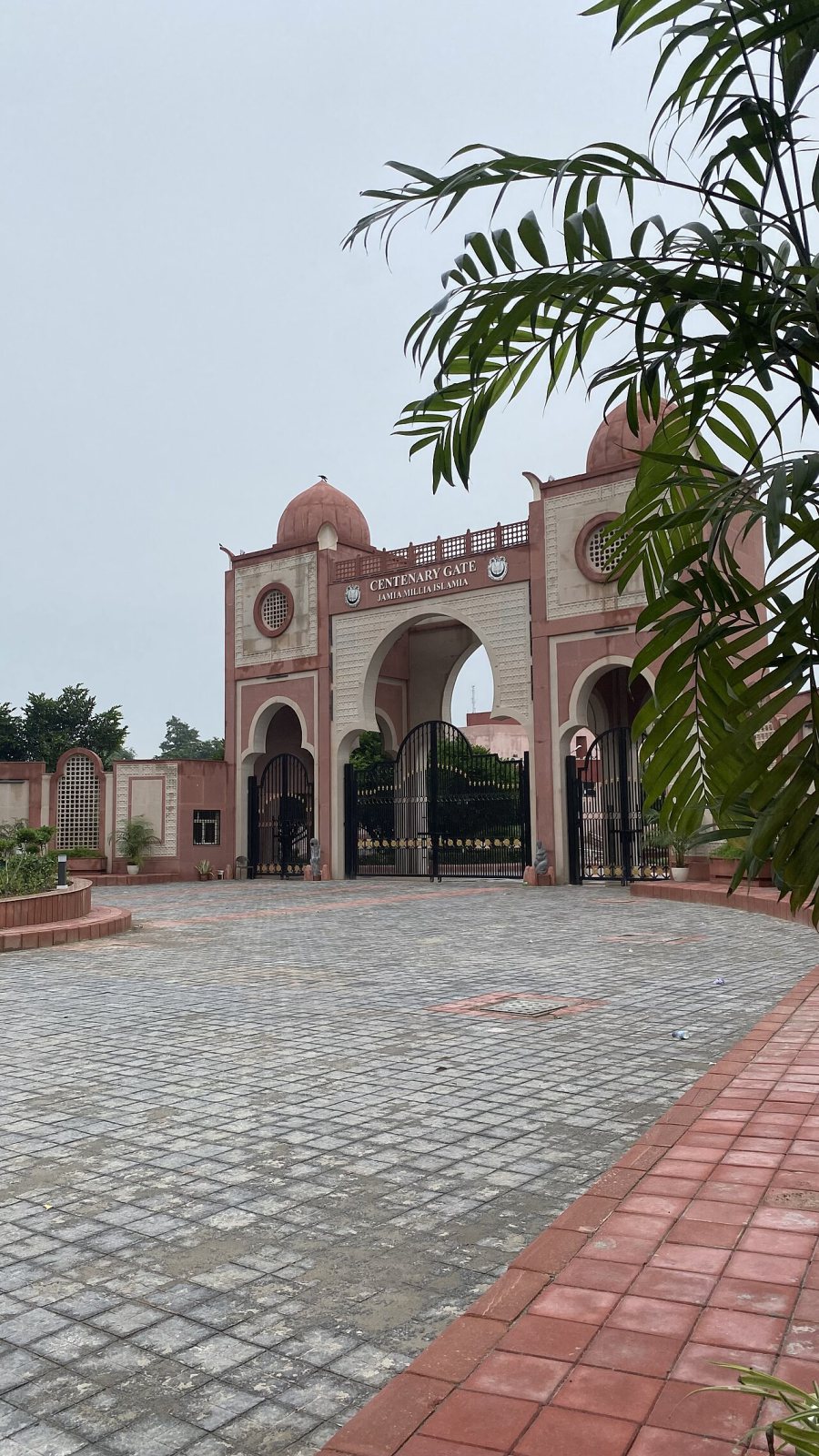
AJK Mass Communication Research Centre, Jamia Millia Islamia
Jamia's MCRC is famous for hands-on production training in film, television and radio, with alumni across news channels and documentary film. Visit the official Jamia Millia Islamia website for prospectus details.
- Established: Jamia in 1920; MCRC in 1982
- Type: Central university; NIRF 2025 – University category rank 4
- Popular courses: MA Mass Communication, MA Convergent Journalism, MA Development Communication, MA Visual Effects & Animation, PG Diploma in Still Photography
- Admission via: Jamia's own entrance test (held in late April for the 2026-27 session), followed by interview or group discussion
- Approx. fees: about ₹1.4–1.5 lakh for the two-year MA Mass Communication (approx.)
Department of Communication, University of Hyderabad
Part of the Sarojini Naidu School of Arts and Communication, this department offers a research-oriented MA Communication with tracks in media studies and production. Fees are very low by private-college standards.
- Established: University in 1974
- Type: Central university; NIRF 2025 – University category rank 18
- Popular courses: MA Communication, PhD
- Admission via: CUET PG, then university counselling
- Approx. fees: low central-university fees; see the 2026-27 fee structure on the UoH academic portal
Department of Journalism & Mass Communication, Banaras Hindu University
BHU offers postgraduate media programmes inside one of India's oldest and largest central universities. It suits students who want an affordable MA with strong Hindi-media links in north India.
- Established: University in 1916
- Type: Central university; NIRF 2025 – University category rank 6
- Popular courses: MA Mass Communication, related PG diplomas
- Admission via: CUET PG
- Approx. fees: low; check the BHU admission bulletin
Makhanlal Chaturvedi National University of Journalism and Communication, Bhopal
MCU is a state university devoted entirely to journalism and communication, with campuses in Bhopal and Rewa. It is a strong choice for Hindi journalism and for students from Madhya Pradesh and nearby states.
- Established: 1990 (Madhya Pradesh state act)
- Type: State university; not in the NIRF 2025 top university list
- Popular courses: BA Journalism and Creative Writing, BA Mass Communication, MA Journalism, advertising and new-media programmes
- Admission via: for 2026-27, a merit list built from 70% of Class 12 marks and 30% interview (graduation marks for PG), applied online through MP Online
- Approx. fees: among the most affordable in this list; check mcu.ac.in
Delhi University and other undergraduate options
Lady Shri Ram College for Women (University of Delhi)
LSR's BA (Hons) Journalism is one of the most sought-after undergraduate media programmes in the country, with a small batch and a strong alumni network in Delhi's media houses.
- Established: 1956
- Type: DU constituent college for women; NIRF 2025 – College category rank 17
- Popular courses: BA (Hons) Journalism
- Admission via: CUET UG, then DU's CSAS counselling
- Approx. fees: about ₹90,000 for the full programme (approx.)
Kamala Nehru College (University of Delhi)
Kamala Nehru College also offers BA (Hons) Journalism. Other DU colleges such as Maharaja Agrasen, Kalindi and Bharati run the same course, and the Delhi School of Journalism offers a five-year integrated BJ-MJ.
- Established: 1964
- Type: DU constituent college for women; NIRF 2025 – College category rank 58
- Admission via: CUET UG, then CSAS counselling
- Approx. fees: under ₹1 lakh for the full programme (approx.)
Guru Gobind Singh Indraprastha University (GGSIPU)
IP University runs its own University School of Mass Communication and affiliates many Delhi colleges that offer the three-year BJMC, such as VIPS, JIMS and MAIMS. It is a practical route for students who want a Delhi BJMC seat outside DU.
- Established: 1998
- Type: State university; NIRF 2025 – University category rank 93
- Popular courses: BJMC, MA Mass Communication
- Admission via: CUET UG and/or IPU CET, depending on the programme and year; check ipu.ac.in each cycle
- Approx. fees: vary widely by college; check the college's fee notice
Leading private media schools
Symbiosis Institute of Media & Communication (SIMC), Pune
Symbiosis runs two media schools in Pune: SIMC for postgraduate courses and the Symbiosis Centre for Media and Communication (SCMC) for the BA. SIMC ranked second among private mass communication institutes in the Outlook-ICARE Rankings 2025.
- Type: Constituent of Symbiosis International (Deemed University); NIRF 2025 – University category rank 24
- Popular courses: MBA (Communication Management), MA Mass Communication, BA Mass Communication (at SCMC)
- Admission via: SNAP for the MBA; SIMC's own test for the MA; SET for the BA; each followed by group exercise, interaction and writing test
- Approx. fees: ₹9–11 lakh (MA), ₹13–15 lakh (MBA), about ₹14 lakh for the four-year BA (approx.)
Xavier Institute of Communications (XIC), Mumbai
XIC, attached to St. Xavier's College, ranked first among private mass communication institutes in the Outlook-ICARE Rankings 2025. Its short, intensive diplomas are popular with graduates who want to switch into media.
- Established: 1969
- Type: Private, run under St. Xavier's College, Mumbai
- Popular courses: PG Diploma in Journalism, PR & corporate communication, advertising, film and video
- Admission via: XIC's own online entrance test and interview
- Approx. fees: ₹2.5–4.3 lakh depending on the diploma (approx.)
Asian College of Journalism (ACJ), Chennai
ACJ is a specialist journalism school run by the Media Development Foundation. It started in Bengaluru in 1994 and moved to Chennai in 2000. Its one-year diploma is known for rigorous reporting training and strong newsroom placements.
- Type: Private, independent institute
- Popular courses: PG Diploma in Journalism with print, TV, radio, new-media and business journalism streams
- Admission via: ACJ entrance test (English and general knowledge), then online interview; open to graduates and final-year students
- Approx. fees: ₹4.6–7.1 lakh depending on the stream (approx., 2026)
MICA, Ahmedabad
MICA is India's leading school for communications management: advertising, brand strategy and digital marketing. It is closer to a business school than a journalism school.
- Established: 1991
- Type: Private, autonomous
- Popular courses: PGDM-C (Communications) and PGDM
- Admission via: a CAT, XAT or GMAT score, then MICAT (held twice a year), then group exercise and interview
- Approx. fees: around ₹28 lakh for two years, including residence (approx.)
Manipal Institute of Communication (MAHE), Manipal
Part of Manipal Academy of Higher Education, MIC ranked third among private mass communication institutes in the Outlook-ICARE Rankings 2025. Students run a campus radio station and a newspaper.
- Established: 1997
- Type: Deemed university (private); NIRF 2025 – University category rank 3 for MAHE
- Popular courses: BA Media & Communication (with a fourth honours year), MA Media & Communication
- Admission via: Manipal's online application and entrance process (MET)
- Approx. fees: ₹8.5–11.4 lakh for the BA (approx.)
Christ University, Bengaluru
Christ's Department of Media Studies (fourth among private institutes in Outlook-ICARE 2025) offers BA Journalism and combined BA programmes with communication, psychology and English.
- Type: Deemed university (private); NIRF 2025 – University category rank 63
- Popular courses: BA Journalism, BA Communication & Media with English/Psychology, MA Media & Communication
- Admission via: Christ University Entrance Test, micro-presentation and personal interview
- Approx. fees: check the official admissions portal; figures vary by programme and campus
Amity School of Communication, Amity University, Noida
Amity's large media school offers well-equipped studios and many specialisations, from journalism to film and advertising.
- Type: Private university; NIRF 2025 – University category rank 22
- Popular courses: BA Journalism & Mass Communication, MA JMC
- Admission via: Amity's own application process (Class 12 marks and interview); check amity.edu
- Approx. fees: private-university range; check the official fee notice
Courses: BJMC, BMM, MA and PG diplomas
| Course | Level and duration | Eligibility | Main entrance |
|---|---|---|---|
| BJMC / BA (Hons) Journalism / BA JMC | UG, 3–4 years | Class 12, any stream | CUET UG, IPU CET, university tests |
| BMM / BA Mass Media | UG, 3–4 years | Class 12, any stream | Mostly merit or college tests (popular in Maharashtra) |
| BA Media & Communication | UG, 3–4 years | Class 12 | SET (Symbiosis), MET (Manipal), Christ test |
| MA Mass Communication / Journalism | PG, 2 years | Graduation, any subject | CUET PG, Jamia test, SIMC test |
| PG Diploma in Journalism / Advertising & PR | PG, ~1 year | Graduation, any subject | CUET PG (IIMC), ACJ test, XIC test |
| PGDM-C / MBA (Communication) | PG, 2 years | Graduation | CAT/XAT/GMAT + MICAT; SNAP |
Already studying in college? The AISEE College Scholarship Test (CST) helps current college students cut their fees with a merit scholarship. One online test, results by rank.
How admission works for mass communication courses
- Pick your level. After Class 12 you can join BJMC, BA Journalism or BMM. After graduation (in any subject) you can choose an MA, a one-year PG diploma or an MBA in communication.
- Register for CUET. CUET UG covers DU, many central universities and some IP University seats. CUET PG is now the route into IIMC, the University of Hyderabad and BHU. For 2026, CUET PG applications closed on 20 January 2026. Watch the NTA CUET PG page for the 2027 cycle.
- Add institute-specific tests. Jamia MCRC (own test, April–May), Symbiosis (SET for UG, SNAP or SIMC test for PG), ACJ test, XIC test, MICAT for MICA and Christ's entrance test.
- Prepare a portfolio and the interview. Production-heavy programmes such as Jamia's MCRC may ask for writing samples or short films; most schools test current affairs and writing.
- Complete counselling on time. IIMC uses online e-counselling; DU uses CSAS. Missing a round can cost you the seat.
Check before you apply: fees, seat numbers and entrance rules change every year. The figures here are approximate and drawn from 2025-26 and 2026-27 sources. Always confirm on the institute's official website before paying any fee.
To practise aptitude and general-awareness questions before these exams, you can try the free test series.
How to choose the right journalism college
Tip: Decide your career goal first. Reporting and news production point to IIMC, ACJ, Jamia or XIC. Advertising, brand and corporate communication point to MICA, SIMC or IIMC's Advertising & PR diploma.
- Hands-on training: look for working studios, campus media and compulsory internships.
- Placements: ask for recent placement reports, not just the highest package. Starting salaries in journalism are modest.
- Total cost: a one-year IIMC diploma costs a fraction of a private two-year programme.
- Language: for Hindi or regional media, consider IIMC's language diplomas, MCU Bhopal and BHU.
Career options after mass communication
Graduates work as reporters, sub-editors, anchors, video producers, copywriters, PR executives, social media managers and documentary filmmakers. Employers include newspapers, TV channels, digital news platforms, advertising and PR agencies, OTT platforms and government communication offices. A PGDM-C or MBA in communication leads more often to brand and media-business roles.
Scholarships and funding for media students
Public institutes such as IIMC, Jamia, BHU and the University of Hyderabad keep fees low, and reserved-category students can use central and state post-matric scholarships through the National Scholarship Portal (NSP). Several private schools, including ACJ, offer merit or need-based fee waivers each year.
Students joining college can also take the AISEE scholarship for college students, a national exam that awards scholarships on merit. For a wider list of options, see our guide to scholarships after 12th in India.
Frequently asked questions
Which is the best mass communication college in India?
IIMC New Delhi is generally regarded as the best, thanks to its government status, low fees and strong newsroom placements. India Today's survey has placed it first in recent editions. AJK MCRC (Jamia), Symbiosis Pune, XIC Mumbai and ACJ Chennai are also top choices.
Is IIMC admission through CUET PG?
Yes. For 2026-27, IIMC admitted students to its MA programmes and its English Journalism, Hindi Journalism, Radio & TV and Advertising & PR diplomas through CUET PG scores and online e-counselling. Its regional-language diplomas still use IIMC's own entrance test.
Does NIRF rank mass communication colleges?
No. NIRF has no journalism or mass communication category. You can only see the overall rank of the parent university or college, such as Jamia Millia Islamia at University rank 4 in NIRF 2025.
Can a science or commerce student study journalism?
Yes. BJMC, BA Journalism and BMM accept Class 12 students from any stream. MA and PG diploma courses accept graduates from any subject, so engineers and commerce graduates often switch to media.
What is the fee for mass communication in India?
It varies widely. DU journalism courses cost under ₹1 lakh in total, and IIMC diplomas cost roughly ₹1–2 lakh. Private programmes range from about ₹4–7 lakh (ACJ) to ₹9–15 lakh (Symbiosis) and around ₹28 lakh (MICA), all approximate.
Which entrance exam is needed for BJMC after 12th?
The most common is CUET UG, used by DU colleges and several central universities. IP University uses CUET UG and/or IPU CET, Symbiosis uses SET, Christ has its own test, and MCU Bhopal uses Class 12 marks plus an interview.
Conclusion: choosing among the top mass communication colleges in India
The top mass communication colleges in India for 2026 range from low-cost public institutes such as IIMC, Jamia and the University of Hyderabad to specialist private schools like ACJ, XIC, Symbiosis and MICA. Since NIRF does not rank media schools, judge them on government status, parent-university rank, published surveys, practical training and placements.
Your next step: register for CUET UG or CUET PG for the 2027 cycle, note the separate test dates for SET, MICAT, ACJ and XIC, and start building a writing or video portfolio now.
Up to 100% tuition fee scholarship for Engineering, Medical and college students.